

In Clinic Therapy
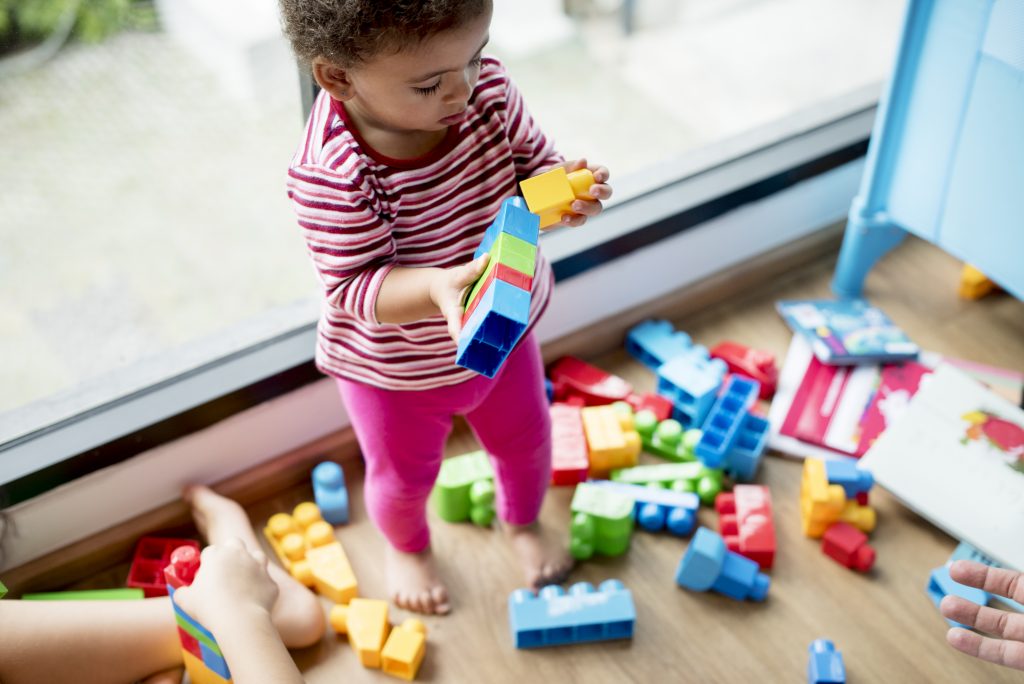
Personalized treatment provided in a clinic setting, improving communication, social skills, education, and daily living abilities in group and individual settings.

In Home Therapy
Treatment provided in a child's home, using Applied Behavior Analysis techniques to improve communication, social skills, and daily living abilities.

School Based Therapy
Individual support within the school setting to help students with behavioral, social, and academic challenges succeed in their educational environment.

In Community Therapy
Support in real-world settings, helping individuals build social, communication, behavioral, and adaptive skills in everyday community environments.

Applied Behavior Analysis (ABA)
Developmental skills are simplified into steps and taught in a 1:1 setting

School Preparation
Individual treatment plans are designed in preparation for school readiness and success!

Parent Training
Parents are the best therapists. We provide suggestions to support the job you are already doing.

Potty Training
Structured, evidence-based interventions to teach clients independent toileting skills while addressing any related behavioral challenges.
Social Skill Development
Developing effective communication, interaction, and relationship-building abilities through evidence-based strategies and reinforcement

Feeding Therapy
Behavior-based strategies to help clients expand their food repertoire, reduce mealtime challenges, and develop positive eating habits


